
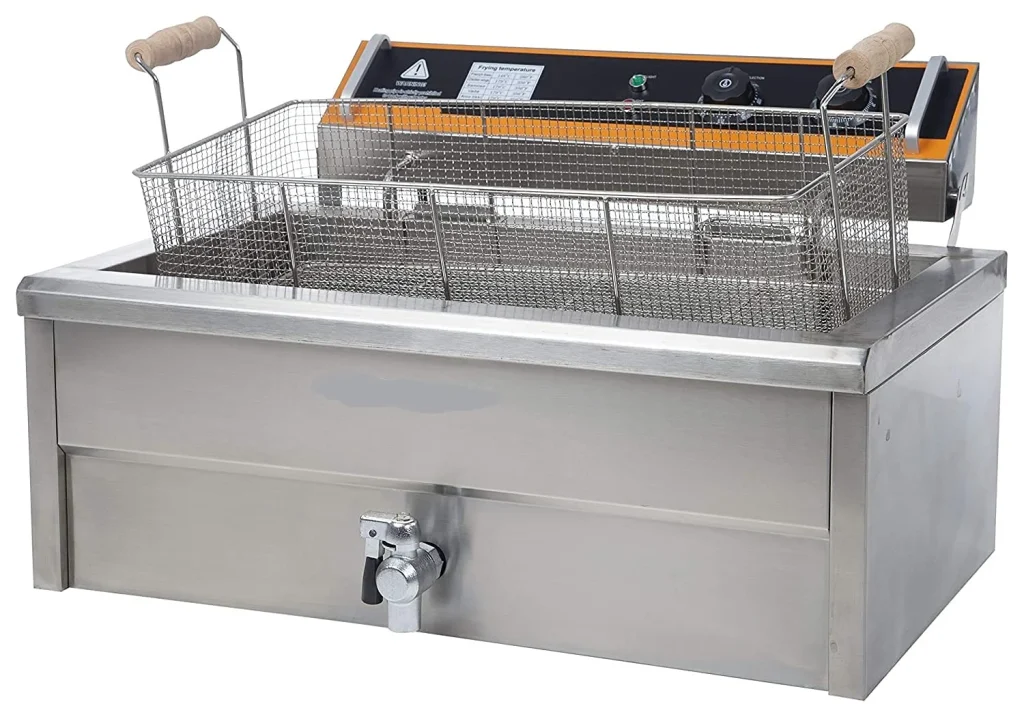
Deep fryer oil filtration is emerging as a significant practice in the food industry, offering numerous sustainability benefits that extend beyond mere cost savings. As businesses and consumers become increasingly conscious of their environmental impact, the emphasis on sustainable practices has never been more critical. Filtration of deep fryer oil is one such practice that not only promotes environmental responsibility but also enhances operational efficiency and product quality.
At its core, oil filtration involves removing impurities from used cooking oil, thereby extending its usable life. This process reduces the frequency with which restaurants need to purchase new oil, leading to a decrease in overall consumption. By conserving resources in this manner, businesses contribute to reducing the demand for raw materials required for producing fresh cooking oils. Consequently, this reduction diminishes the carbon footprint associated with growing, harvesting, processing, and transporting these raw materials.
Moreover, by filtering and reusing cooking oil multiple times before disposal becomes necessary, establishments can significantly cut down on waste generation. Used cooking oil often ends up in landfills or requires energy-intensive processes for proper disposal if not managed correctly. Therefore, efficient filtration systems help mitigate these issues by ensuring that less waste is produced overall.
In addition to environmental benefits, there are notable economic advantages linked with Deep fryer oil filtration. For many restaurants and food service providers operating on tight margins, reducing costs without compromising quality is paramount. By extending the life of frying oils through effective filtration processes—often doubling or tripling their lifespan—businesses can achieve substantial cost savings over time.
Furthermore, maintaining high-quality frying oils directly correlates with improved food quality—resulting in better-tasting products that meet customer expectations consistently. Clean and well-maintained oils ensure consistent flavor profiles while minimizing off-flavors caused by degraded or contaminated fats—a crucial aspect for eateries striving to maintain brand reputation amidst competitive markets.
The implementation of advanced filtration technologies also aligns closely with corporate social responsibility (CSR) initiatives focused on sustainability goals within organizations across various sectors—notably hospitality industries where consumer scrutiny regarding ecological impacts continues escalating rapidly today more than ever before globally speaking too!
Overall then: embracing comprehensive strategies surrounding regular maintenance routines alongside state-of-the-art equipment investments proves invaluable long-term wise when considering both immediate fiscal returns coupled alongside broader eco-friendly implications therein simultaneously! Indeed: prioritizing sustainable operations via practices like deep fryer oil filtrations underscores commitment towards fostering healthier planet future generations deserve enjoying equally so likewise importantly enough alike altogether ultimately indeed!